

Franciacorta: Italy’s Sparkling Treasures
Where Lake Iseo Meets Italy’s Most Elegant Bubbles
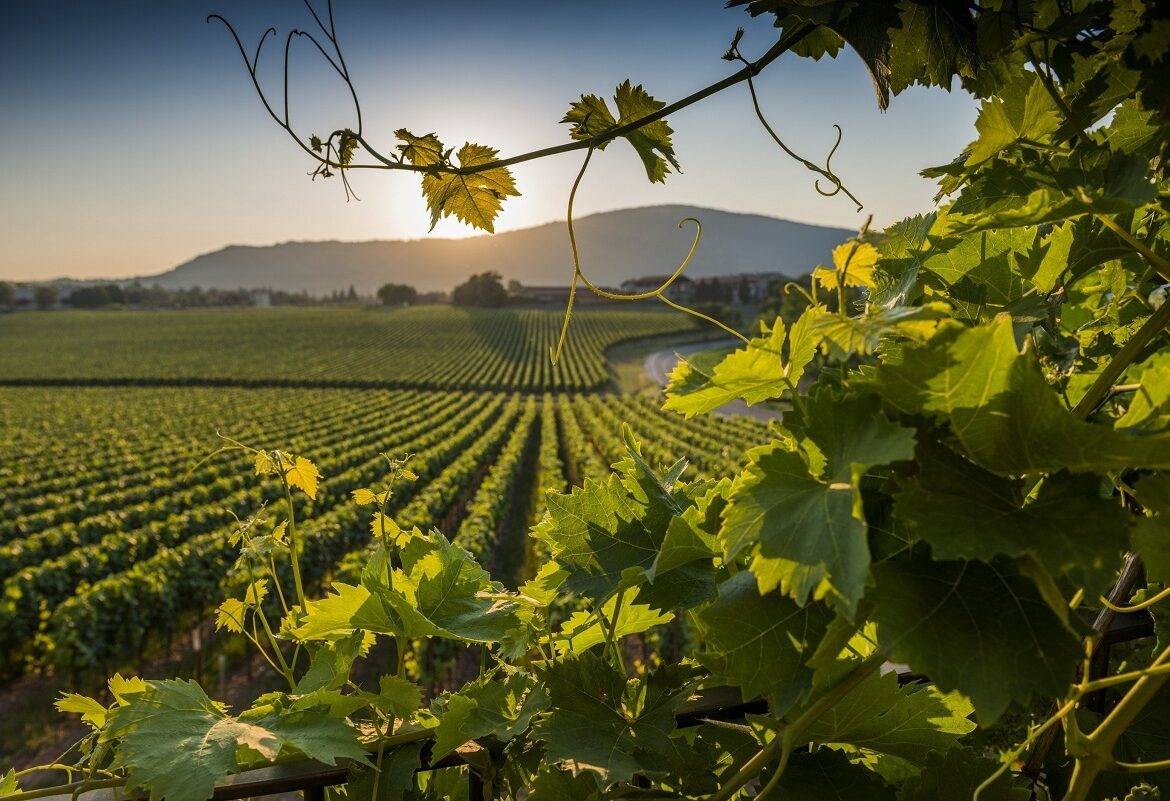
Franciacorta is a small but remarkable corner of northern Italy, tucked into Lombardy between Brescia and the southern shores of Lake Iseo. While the name is often associated with Italy’s finest sparkling wine, the region itself is far more than a label on a bottle. It is a landscape shaped by water, glacial hills, vineyards, and a long history that quietly explains why this place produces wines of such precision and character.
Where It’s Located
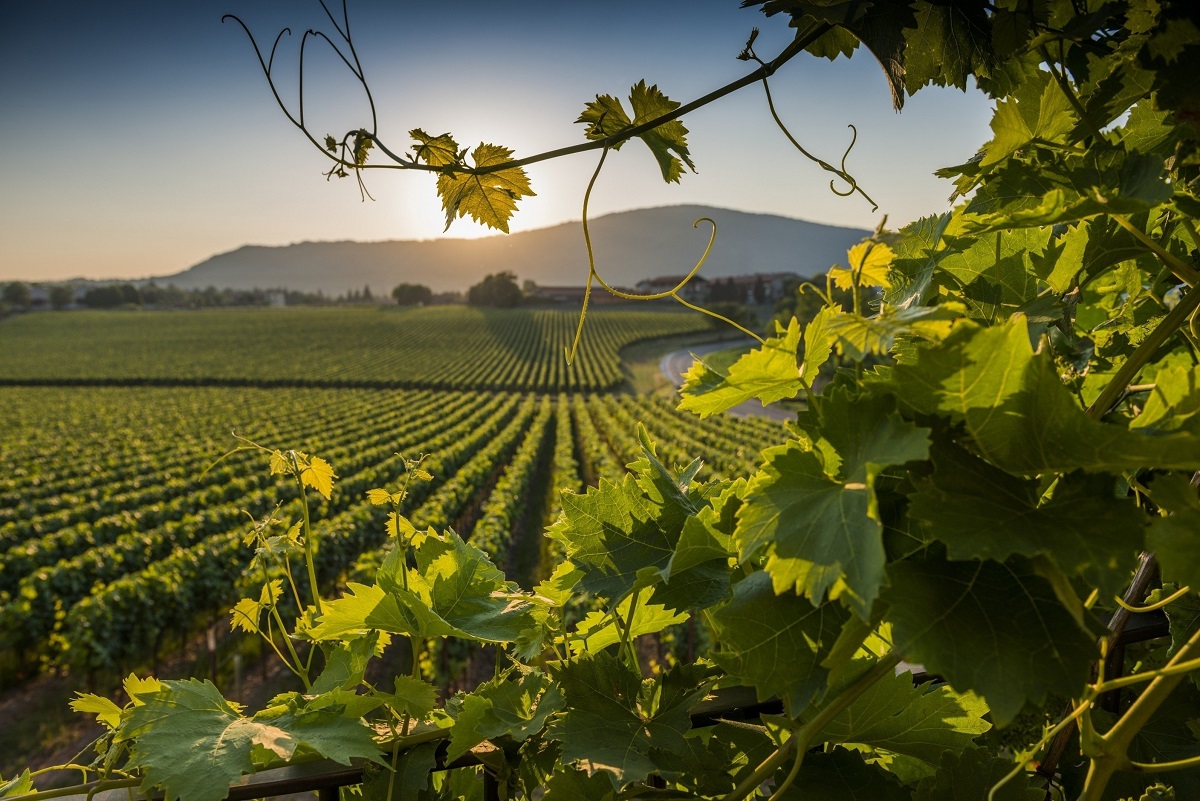
Franciacorta lies directly south and east of Lake Iseo (Lago d’Iseo), one of Italy’s lesser-known alpine lakes. Unlike Lake Como or Lake Garda, Iseo feels restrained and authentic, framed by steep mountains to the north and rolling vineyard-covered hills to the south. Those southern hills are Franciacorta.
The lake plays a central role in defining the region. Its presence moderates temperatures, reducing extremes of heat and cold. Cool breezes flow down from the Alps, while the lake reflects light and warmth back onto the vineyards. This balance is one of the key reasons Franciacorta is ideally suited to producing high-quality sparkling wine using the traditional method.
A Landscape Shaped by Ice and Water
The Franciacorta hills were formed by ancient glaciers that once extended from the Alps. When they retreated, they left behind a complex mix of soils—moraines rich in limestone, gravel, sand, and clay. This diversity is unusual in such a compact area and gives winemakers an exceptional range of expressions to work with.
Vineyards are often planted on gentle slopes overlooking Lake Iseo, with panoramic views that stretch across the water to Monte Isola, the largest lake island in Europe. The scenery is striking but never flashy—quiet, ordered, and deeply tied to agricultural rhythms.
Wine: A Direct Reflection of Place
Franciacorta DOCG is Italy’s answer to the world’s great sparkling wines, produced exclusively using the metodo classico (secondary fermentation in the bottle). The main grapes—Chardonnay, Pinot Nero, and Pinot Bianco—thrive in the lake-influenced climate.
What distinguishes Franciacorta is not just technique, but restraint. The wines emphasize structure, acidity, and longevity rather than overt fruitiness. Long aging on the lees is mandatory, resulting in complexity and finesse. In many ways, the calm presence of Lake Iseo mirrors the style of the wine itself: controlled, elegant, and confident without excess.
Lake Iseo Beyond the Vineyards
Lake Iseo remains one of northern Italy’s most underrated destinations. Small towns like Iseo, Sulzano, and Lovere retain a local character, largely untouched by mass tourism. Ferries cross the lake at an unhurried pace, connecting the shoreline to Monte Isola, where cars are banned and life moves on foot.
For visitors, Franciacorta offers a rare combination: serious wine culture paired with genuine tranquility. A morning tasting among vineyards can easily give way to an afternoon by the lake, followed by a meal rooted in Lombard traditions—simple ingredients, precise cooking, no unnecessary embellishment.
A Region Defined by Balance
Franciacorta exists in balance: between mountains and plains, water and land, tradition and modern precision. Lake Iseo is not just a scenic backdrop; it is a defining force that shapes the climate, the wine, and the pace of life.
This is not a destination built on spectacle. Franciacorta rewards attention, patience, and curiosity. For those willing to look past Italy’s more famous names, it offers something rarer: a place where geography, culture, and craftsmanship align naturally—and where Lake Iseo quietly anchors it all.